AirPods vs. Budget Wireless Earbuds: What You’re Really Paying For
Premium earbuds promise magic—instant pairing, better sound, smarter noise canceling. But do you actually need them? Here’s a clear, real-life comparison.
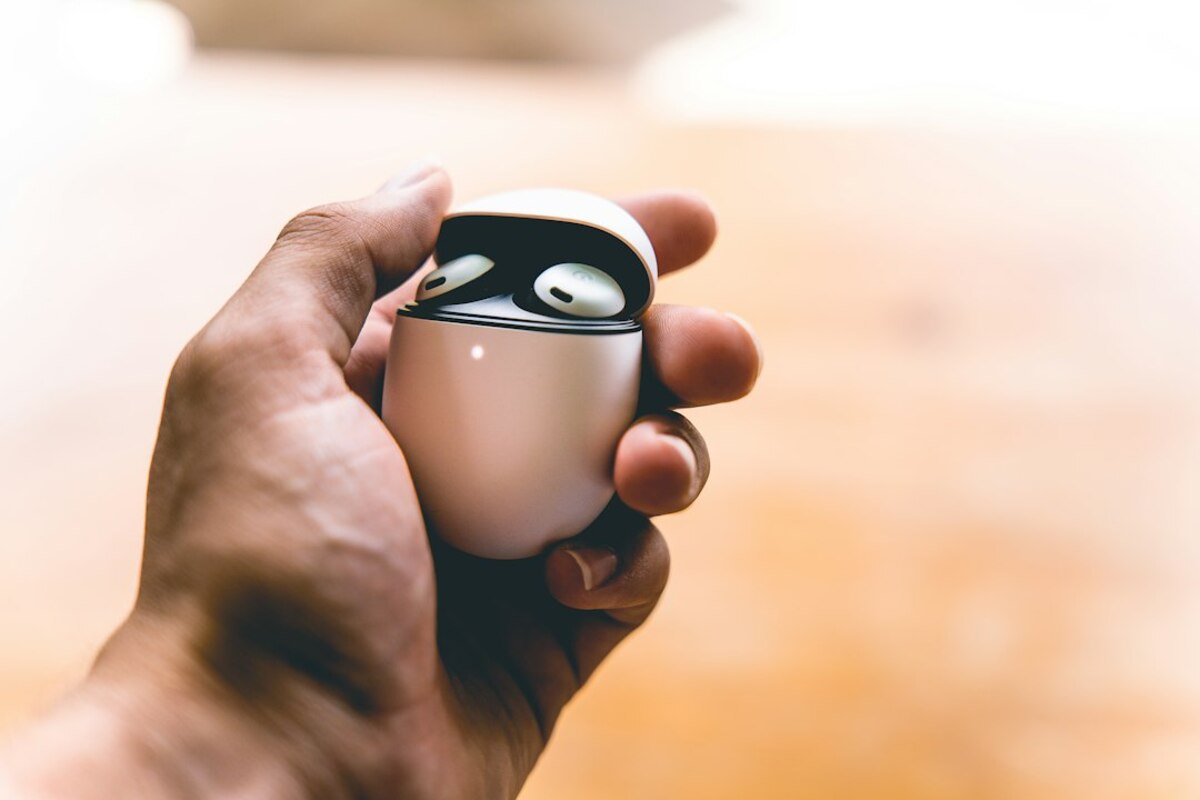
- The biggest gap isn’t just sound—it’s comfort, microphones, and how smoothly everything works day to day.
- Noise canceling and transparency vary wildly; your commute and office matter more than specs.
- Many budget earbuds are “good enough” unless you take lots of calls, switch devices often, or live in Apple’s ecosystem.
What “premium” buys you in normal life (not in a lab)
Most people don’t wake up wanting to compare Bluetooth codecs. They wake up wanting to hear a podcast on the way to work, take a call without sounding like they’re underwater, and not spend five minutes fixing an earbud that decided it no longer wants to pair. That’s the real difference between AirPods (or other premium models) and budget wireless earbuds: not one headline feature, but a stack of small conveniences that add up.
Imagine two scenarios:
- Scenario A: The “quick coffee run.” You step outside, tap play, and your earbuds connect instantly. When someone talks to you, you pause music and can hear them without pulling anything out. You walk in, pay, and your earbuds don’t randomly disconnect when your phone goes in your pocket.
- Scenario B: The “why is this happening?” version. One earbud connects, the other doesn’t. The volume is uneven. You’re on your second attempt to reseat them in the case like you’re rebooting a tiny spaceship. By the time it works, your coffee is ready.
Premium earbuds are mostly trying to sell you more of Scenario A and less of Scenario B. Budget earbuds can absolutely deliver great moments—but the rough edges tend to appear when life gets messy: switching devices, taking calls in noisy places, wearing them for hours, or using them every day for months.
| Everyday need | AirPods / premium earbuds tend to be better at… | Budget earbuds tend to be… |
|---|---|---|
| Fast, reliable connection | Instant pairing, stable switching, fewer dropouts | Usually fine, but more “re-pair and retry” moments |
| Phone and video calls | Clearer voice pickup, better noise handling | Hit or miss; can sound thin or noisy in traffic |
| Noise canceling (ANC) | Stronger, smoother ANC; less “ear pressure” | Often weaker; sometimes adds hiss or changes sound |
| Transparency / hear-through mode | More natural, less robotic | Can feel artificial or amplify wind |
| Comfort for long wear | More refined fit options and lighter fatigue | Can be great, but sizing and pressure vary more |
| Ecosystem extras | Best-in-class integration (especially with iPhone/Mac) | Basic features, app quality varies |
None of this means budget earbuds are “bad.” It means the trade-off is usually friction: how often you notice the earbuds themselves rather than the thing you’re listening to.

The three features that matter most: calls, switching devices, and noise control
When people regret an earbud purchase, it’s rarely because the bass wasn’t “audiophile-approved.” It’s usually because of one of these daily-life pain points.
1) Microphones: the hidden dealbreaker
You can love how earbuds sound—until you take a call in a supermarket line. Microphone quality depends on more than a mic; it’s a mix of microphone placement, wind handling, and software that separates your voice from the world around you.
Here’s a quick reality check:
- If you mostly listen and rarely talk, budget earbuds can be perfectly satisfying.
- If you take calls while walking outside, in open offices, or in transit, premium earbuds often feel like a different category.
- If you record voice notes, join Zoom meetings, or do customer calls, microphone consistency matters more than “extra punchy bass.”
A good way to test your own needs: think about the last ten times you used earbuds. How many were calls? If it’s more than a couple, microphone quality should move up your priority list.
2) Device switching: the “I didn’t know I cared until I did” feature
On paper, many earbuds support multipoint or quick switching. In practice, your experience can range from “effortless” to “I’m stuck in Bluetooth settings again.”
Premium earbuds (especially AirPods with Apple devices) tend to nail the small moments:
- You start a video on your laptop; audio follows without a manual reconnect.
- Your phone rings; you answer and the earbuds move over smoothly.
- You don’t have to remember which device was last connected or force-disconnect the other one.
Budget earbuds can still offer multipoint, but it may feel more like a feature you manage rather than one that manages itself. If you live on one device most of the time, you may never notice. If you bounce between phone, tablet, and laptop daily, you’ll notice quickly.
3) Noise canceling and transparency: more than “on” or “off”
Active Noise Canceling (ANC) is often marketed like a simple superpower: turn it on, the world disappears. Real ANC is more like a dimmer switch—better at some sounds than others.
- ANC is great at: steady low-frequency noise (airplane hum, bus engine, air conditioner).
- ANC is less great at: sudden voices, clanking dishes, a coworker saying your name.
Premium earbuds usually do three things better here:
- Smoother ANC: fewer weird artifacts, less “pressure” sensation for many people.
- More natural transparency: you can talk without sounding like you’re in a sci-fi helmet.
- Better wind handling: a big one if you walk outside a lot.
Budget earbuds often include ANC, but it can be lighter and sometimes changes the sound signature (music can feel thinner). That’s not automatically bad—mild ANC can be comfortable and still helpful in a coffee shop. The question is whether you expect “quiet library” silence or “takes the edge off” calm.
How to choose based on your routine (with simple, real examples)
Instead of starting with price, start with your most common listening moment. Earbuds are lifestyle gear—more like shoes than like a hard drive. The “best” pair is the one you’ll actually enjoy using on a random Tuesday.
If you commute often (train, bus, plane):
You’ll benefit most from strong ANC, stable connection, and comfort over long wear. Premium earbuds often feel worth it here because you use the best features every single day. Budget earbuds can still work well if your commute is short or not very loud—just calibrate expectations: you may get “less roar,” not “instant silence.”
If you work in an office (especially open-plan):
Two things matter: microphone quality and transparency mode. You want to jump into quick calls and still hear when someone asks a question nearby. This is where premium earbuds tend to justify their price—not by sounding “twice as good,” but by handling the messy middle of real work.
If you mainly exercise:
Fit and sweat resistance beat almost everything. Many budget earbuds are excellent for workouts because they prioritize secure tips, physical buttons, and a “don’t worry if they get scratched” vibe. Premium earbuds can also be great, but ask yourself if you want expensive gear bouncing around in a gym bag.
If you mostly listen at home:
Budget earbuds can be the sweet spot. At home, you don’t need heroic microphones, and you probably don’t need to fight subway noise. Comfort still matters, but the value of premium ANC and super-smart switching often drops.
If you’re deep in Apple devices:
This is where AirPods tend to feel less like “earbuds” and more like a built-in feature of your devices. Things like seamless pairing, device switching, and find-my style features often work with less effort. If your phone is an iPhone and your computer is a Mac, a lot of the premium cost is paying for fewer tiny annoyances.
If you use Android and mix brands:
The comparison shifts. Many Android-friendly earbuds (including some midrange options) compete strongly on sound and features. The “AirPods magic” can be reduced if you’re not using Apple hardware, so it becomes more of a straight shootout: fit, ANC quality, call performance, battery, and app controls.
Often, yes—especially if you mainly listen to music or podcasts on one device and you’re not taking lots of calls in noisy places. The “good enough” line is usually crossed when you need reliable microphones, smoother noise canceling, and hassle-free switching.
Often, yes—especially if you mainly listen to music or podcasts on one device and you’re not taking lots of calls in noisy places. The “good enough” line is usually crossed when you need reliable microphones, smoother noise canceling, and hassle-free switching.
Specs don’t capture tuning (how sound is balanced), ear tip fit, microphone processing, and the stability of the Bluetooth connection. Two models can both claim “ANC” and “4 mics,” yet one feels calm and natural while the other feels glitchy or harsh.
Specs don’t capture tuning (how sound is balanced), ear tip fit, microphone processing, and the stability of the Bluetooth connection. Two models can both claim “ANC” and “4 mics,” yet one feels calm and natural while the other feels glitchy or harsh.
Pick the pair that matches your most frequent situation: commuting (better ANC), lots of calls (better mics), switching between laptop and phone (better ecosystem/multipoint), or workouts (secure fit and sweat resistance). Then choose the best you can afford in that category.
Pick the pair that matches your most frequent situation: commuting (better ANC), lots of calls (better mics), switching between laptop and phone (better ecosystem/multipoint), or workouts (secure fit and sweat resistance). Then choose the best you can afford in that category.
One last practical trick: before you buy, write down three moments you’ll use earbuds most (for example: “morning walk,” “two work calls a day,” “gym twice a week”). If premium earbuds directly improve two of those three moments, the upgrade often feels justified. If they don’t, a solid budget pair can feel like the smartest purchase you make all year.