E‑Bikes vs. Regular Bikes: When the “Easy Mode” Actually Makes You Ride More
E-bikes aren’t just faster—they change which trips feel doable. Here’s how they compare to regular bikes in cost, effort, fitness, safety, and real-life usefulness.
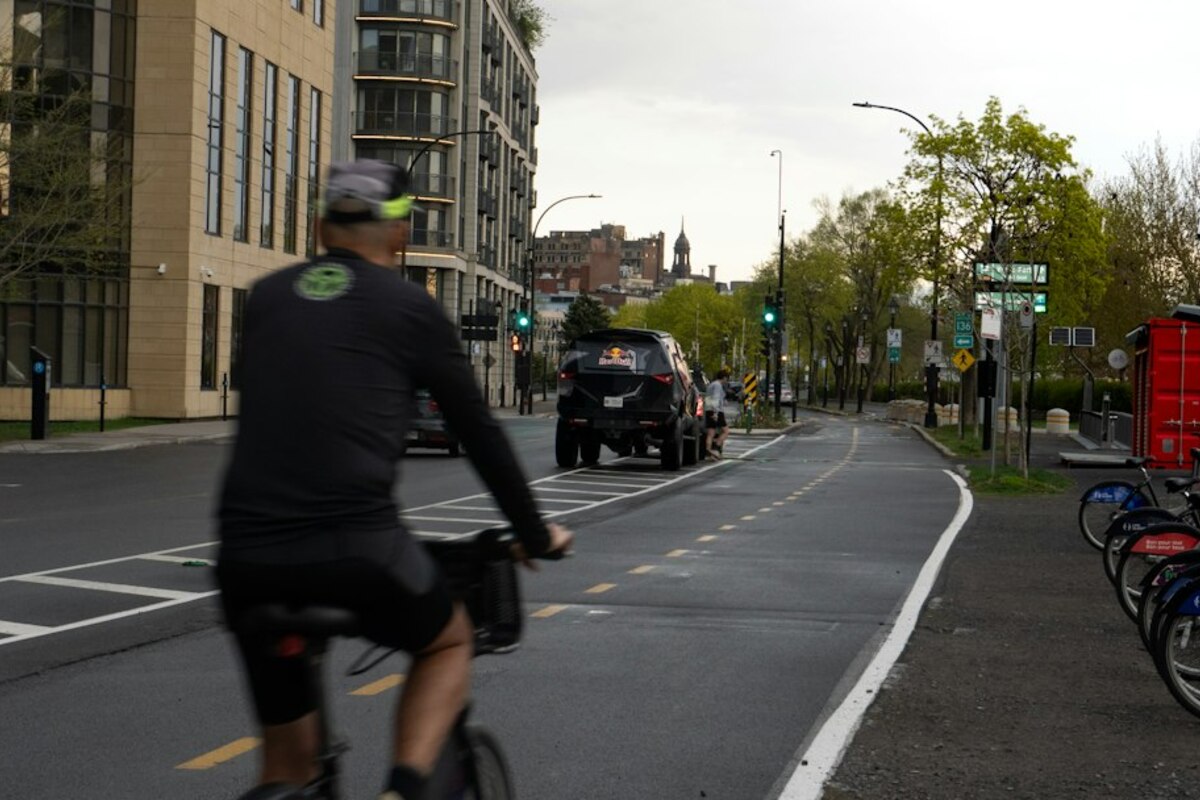
- E-bikes don’t replace effort—they reshape it, making hills, wind, and longer trips feel “possible” on ordinary days.
- For commuting and errands, e-bikes often replace car trips more reliably than regular bikes because you arrive less sweaty and less time-stressed.
- The best choice depends on your main friction: time, terrain, carrying stuff, and your tolerance for arriving tired (or needing a shower).
The real difference: what changes on a normal Tuesday
Most comparisons between e-bikes and regular bikes start with specs—motor watts, battery size, bike weight. But the real difference shows up on an average day when you’re deciding whether to ride at all.
Picture this: you’re leaving work, it’s windy, you’ve got a backpack (or groceries), and there’s a hill between you and home. With a regular bike, that hill can turn the ride into a mini workout—fine if you planned for it, less fine if you’re tired, hungry, or dressed for an office. With an e-bike, the hill becomes a mild inconvenience. That single change—turning “ugh” moments into “no big deal” moments—is why many people say an e-bike makes them ride more, not just faster.
Regular bikes have their own magic: they’re simple, lighter, cheaper to buy and maintain, and they reward you with a clean, direct connection between effort and speed. If you enjoy the workout or the purity of riding, a regular bike often feels more “alive.”
So instead of asking “Which is better?” a more useful question is: Which one removes the biggest barrier that stops you from riding?
- If your barrier is sweat, hills, time, or arriving tired: e-bike helps.
- If your barrier is cost, storage, maintenance, or you want maximum simplicity: regular bike helps.
Let’s break down how that plays out in everyday life: commuting, errands, fitness, and the not-so-glamorous details like theft risk and charging.

Commuting and errands: sweat, speed, and “will I actually do it?”
For many people, the bike they use most is the bike that fits into a schedule. That’s where e-bikes often shine—not because they’re “lazy,” but because they’re predictable.
Time predictability is underrated. A regular bike commute can vary a lot depending on wind, clothing, traffic light timing, and how you feel that day. E-bikes smooth out those variables. Headwind? Motor helps. Slightly late? You can keep a steady pace without going full effort. Carrying a laptop and lunch? Still manageable.
Sweat management is another big divider. If you’re biking to meet someone, to an appointment, or to a workplace without a shower, the question isn’t “Can I bike?” but “Can I bike and still feel presentable?” With pedal assist, you can keep your effort low and your body temperature steadier—especially in warm weather or in work clothes.
Errands change dramatically with an e-bike. The distance that feels “worth it” expands. A 2-mile grocery run on a regular bike is easy until you add a heavy bag and a hill. An e-bike makes the return trip (heavier, slower, uphill) feel closer to the outgoing trip (lighter, flatter).
Here’s a quick comparison that tends to match real-world experiences:
| Everyday situation | Regular bike tends to feel like… | E-bike tends to feel like… |
|---|---|---|
| 3–5 miles to work with one hill | Doable, but you’ll notice the hill (and maybe plan clothes around it) | Routine; hill becomes background noise |
| Quick stop at the store with a backpack | Fine going there; heavier and slower coming back | More balanced both directions; carrying weight feels less punishing |
| Headwind on the way home | Can double the “annoyance factor” | Still annoying, but not defeating |
| Riding in nicer clothes | Possible, but you may arrive warm or wrinkled | Much easier to keep effort low and look put-together |
A useful analogy: a regular bike is like taking the stairs—simple, reliable, great for you, but sometimes you skip it when you’re tired or carrying stuff. An e-bike is like an escalator that still asks you to walk a bit. You’re moving under your own power, but the “cost” of doing it is lower, so you do it more often.
One more everyday detail: parking. Both bikes beat cars here, but e-bikes can feel more valuable and therefore more stressful to lock up. If your commute ends at a place with secure bike parking, an e-bike becomes far more attractive. If you’re locking up on a busy street all day, you’ll want to think about theft risk (we’ll get to that).
Fitness and effort: does an e-bike “count”?
This is where the conversation often gets weirdly emotional. Some people treat e-bikes like “cheating,” and others treat regular bikes like a punishment. In reality, it depends on what you mean by fitness and what you’re trying to accomplish.
Regular bikes deliver intensity by default. If you ride a regular bike for transportation, you almost can’t avoid moderate-to-hard bursts—starting from stops, climbing, pushing into wind. That’s great for cardiovascular fitness if you enjoy it and can recover from it.
E-bikes deliver consistency. They’re especially good at turning “I might skip it” into “I’ll just ride.” And consistent movement—day after day—is a big part of real-world health.
Think of two friends:
- Sam buys a regular bike, plans to commute 4 days a week, but ends up riding once weekly because the hill home is brutal after long meetings.
- Jordan buys an e-bike, rides 4 days a week because it always feels manageable, and often takes a longer scenic route because it’s fun.
Who gets more exercise over a month? Often Jordan—even if each individual ride feels easier.
That said, if you love the workout aspect, a regular bike can feel more satisfying. You get that clear cause-and-effect: push harder, go faster. On an e-bike, especially at higher assist levels, speed can feel a bit “decoupled” from effort. Many riders solve this by using lower assist on flat ground and saving higher assist for hills, heavy loads, or days when energy is low.
Practical tip: If your goal is fitness and transportation, the best setup is often “assist as a tool,” not “assist all the time.” Use enough help to make the ride happen, but not so much that you never breathe harder than a stroll.
Yes—especially if you ride frequently and don’t max out assist all the time. Many riders end up moving more often and for longer distances, which can outweigh lower per-mile intensity.
Yes—especially if you ride frequently and don’t max out assist all the time. Many riders end up moving more often and for longer distances, which can outweigh lower per-mile intensity.
They can burn more calories per mile, but real-life results often depend on how often you ride. A slightly easier ride you do four times a week can beat a harder ride you avoid.
They can burn more calories per mile, but real-life results often depend on how often you ride. A slightly easier ride you do four times a week can beat a harder ride you avoid.
Often, yes. It’s common for people returning from injury, dealing with joint pain, or rebuilding endurance to use assist as a way to ride without dreading the “hard parts.”
Often, yes. It’s common for people returning from injury, dealing with joint pain, or rebuilding endurance to use assist as a way to ride without dreading the “hard parts.”
Money, maintenance, and the unglamorous stuff (charging, theft, storage)
The “hidden” differences between e-bikes and regular bikes are where many first-time buyers get surprised—either pleasantly or painfully.
Upfront cost: Regular bikes cover a wide range, but it’s still generally easier to get a solid, reliable regular bike for less money than a solid, reliable e-bike. With e-bikes you’re paying for a motor system, battery, controller, display, wiring, and often a sturdier frame to handle higher speeds and weight.
Ongoing costs: E-bikes typically wear through consumables faster—especially brake pads and sometimes tires—because they’re heavier and can travel at higher average speeds. Batteries also age. You don’t have to fear the battery, but you do need to treat it like a device you’ll eventually service or replace.
Charging and routine: Charging is simple, but it’s a habit. If you live in a small apartment or need to carry the bike up stairs, pay attention to whether the battery is removable and how much it weighs. A removable battery can be the difference between “easy” and “I guess I won’t charge it tonight.”
Storage and lifting: Regular bikes are easier to lift onto racks, carry up stairs, or squeeze into tight spaces. E-bikes can be significantly heavier, and that shows up the moment you need to maneuver it without motor assistance—like rolling it into a basement, onto a train, or through a narrow hallway.
Theft risk: E-bikes can be more attractive targets because they’re valuable and easier to resell. That doesn’t mean you shouldn’t own one—it means you should plan for it.
- If you lock up in public often: consider a higher-quality lock strategy (or bring the battery inside, if removable).
- If you have secure storage at both ends: an e-bike becomes dramatically more “relaxing” to own.
- If your area has frequent bike theft: a modest regular bike can be a low-stress commuter.
Maintenance complexity: A regular bike is mostly mechanical. Many small issues can be fixed with basic tools and patience. An e-bike adds electronics and proprietary parts. Most are reliable, but when something electronic goes wrong, you may be dealing with specific brands, diagnostic tools, or shop availability. If you love DIY repairs, regular bikes tend to be more satisfying. If you prefer “take it to a shop,” e-bikes can be fine—just check whether local shops service your model.
Weather and durability: Both can be used in rain with the right gear. E-bikes are designed for real-world use, but it’s still smart to avoid blasting electrical components with high-pressure water and to store/charge batteries at reasonable temperatures. A regular bike is generally less fussy.
To make the decision less abstract, here are a few quick “you’ll probably prefer…” scenarios:
| If you’re mostly trying to… | You’ll likely prefer… | Because… |
|---|---|---|
| Replace short car trips and arrive not sweaty | E-bike | It lowers effort barriers and makes transportation riding feel “reliable.” |
| Keep costs low and maintenance simple | Regular bike | Fewer expensive parts; easier DIY; less charging and worry. |
| Handle hills, headwinds, or carrying cargo | E-bike | Assist smooths out the toughest moments that often stop people from riding. |
| Get a workout every time, no shortcuts | Regular bike | Effort is the engine; it’s naturally more demanding per mile. |
| Mix with public transit or carry upstairs daily | Regular bike (often) | Lighter weight makes daily handling much easier. |
One last everyday reality: speed changes how roads feel. E-bikes can encourage higher average speeds, which can be great for keeping up with traffic on certain streets—but it can also mean you need better brakes, more attention at intersections, and a stronger habit of defensive riding. Regular bikes tend to keep speeds lower, which some riders find calmer in busy areas.
If you’re choosing between them, it helps to test ride with one specific route in mind: the hill you dread, the street with the sketchy intersection, the stop at the store where you’ll carry weight. The right bike is the one that makes that real route feel like something you’ll do again tomorrow.